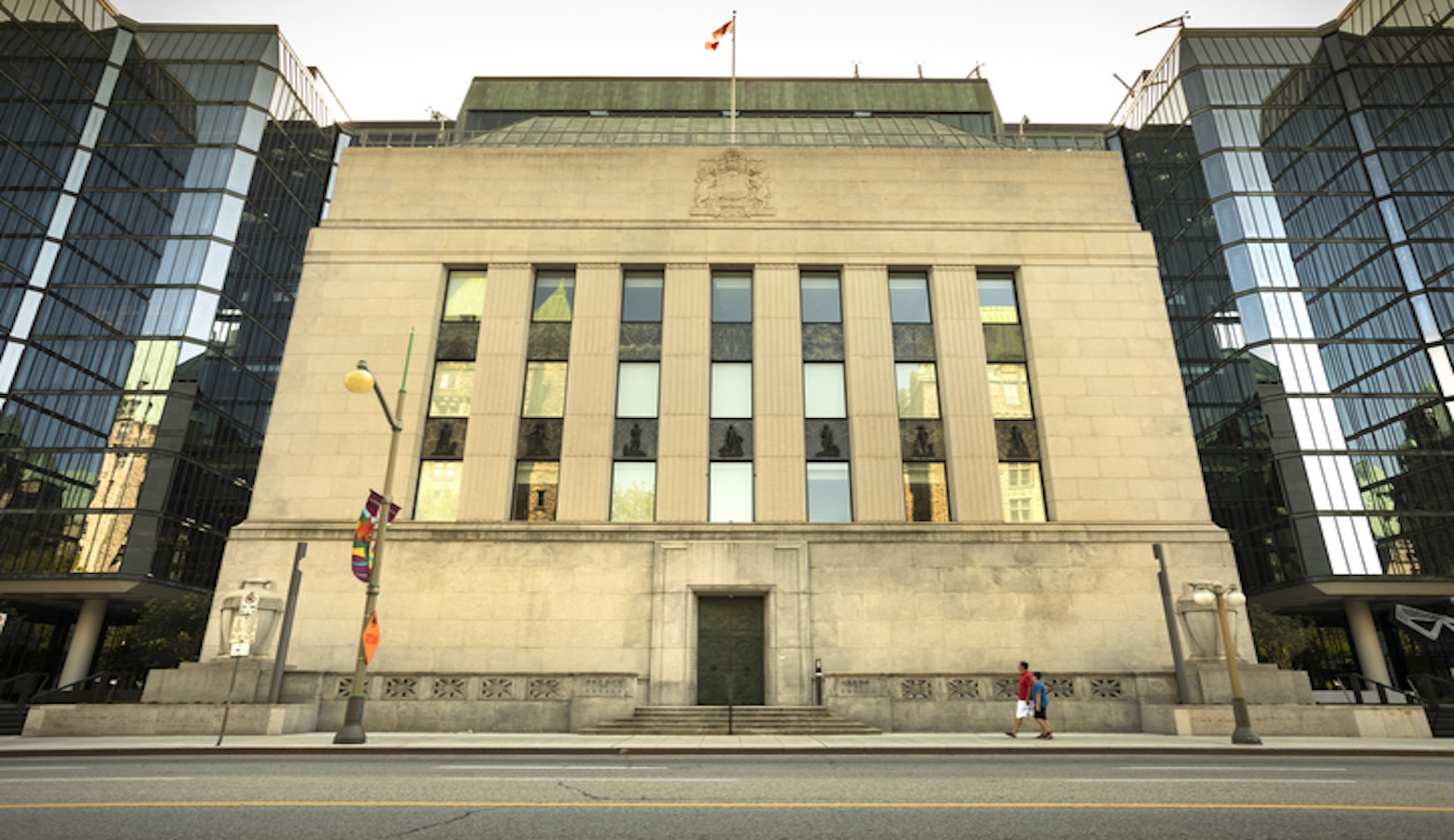
Canada's housing market has seen a mix of reactions to the recent interest rate cuts by the Bank of Canada, with both hopeful buyers and cautious sellers navigating a complex landscape. For anyone looking to buy in the current market, it's important to understand how interest rate changes affect Canadian home prices.
To delve deeper into these implications, Sutton CEO, Ross McCredie, shared his insights with BNN Bloomberg in a recent interview. For more information on how this rate cut affects homebuyers, keep reading.
What’s Happening in the Current Market?
Despite recent rate cuts, some major markets are not seeing the expected boost in activity. For example, Vancouver home sales in August 2024 were down 17% compared to August 2023. While borrowing has become more affordable, the anticipated wave of eager buyers hasn't yet materialized. This suggests that higher borrowing costs from earlier in the year still linger, and buyers are holding out for more rate cuts expected in the coming months.
In expensive cities like Vancouver and the Greater Toronto Area (GTA), this trend is especially pronounced. Home prices in these areas remain high with buyers hesitant to enter the market, waiting instead for either further rate cuts or a dip in prices. On the other hand, in smaller towns and more affordable regions, where prices are less extreme, buyers are more responsive to rate cuts. Some of these markets are seeing increased activity as buyers take advantage of lower borrowing costs.
Why Aren’t Buyers Jumping In?
The Bank of Canada’s goal of controlling inflation has created a complicated situation for buyers. Even with lower interest rates, many potential homeowners are struggling with affordability. Factors like bidding wars, high debt-service ratios, and rising living costs mean that even though mortgage payments are lower, the overall financial picture remains challenging.
This complexity underscores that while interest rate cuts can stimulate demand, they are not a standalone solution for making housing more affordable for Canadians—especially in places where the cost of housing is already sky-high. In fact, many buyers are waiting on the sidelines, hoping that continued rate cuts will make homeownership more feasible in the near future.
What Does This Mean For Buyers?
Interest rate cuts are typically seen as a positive force for the housing market, as lower rates make borrowing cheaper, potentially bringing more buyers into the market. However, this relationship is not always straightforward. While recent interest rate cuts have provided some relief, they have not drastically improved the affordability issues that many buyers face.
For some first-time buyers, a 25-basis point rate cut could make a difference. For first-time buyers focused on the cost of monthly payments, even a small decline in rates can reduce a mortgage bill enough to make entering the market possible.
For others, the decision might be more strategic. Do you buy now, taking advantage of the current rates, or hold out in hopes of further cuts? While waiting might seem like a good move, it's essential to consider the risk that pent-up demand could drive home prices higher in the future, making it more expensive to enter the market later.
Takeaways
The interplay between interest rates and home prices in Canada’s housing market is complex. While lower interest rates can provide some relief to buyers, they are not a cure-all for affordability issues, particularly in high-cost urban areas. Both buyers and sellers need to stay informed and work closely with real estate professionals who understand the local market to navigate this ever-changing market.
If you’re considering buying, it’s a good time to weigh your options. Jumping into the market today means you could benefit from the current buyers' market while waiting could lower borrowing costs further—especially if more cuts are on the horizon. The key is to stay informed and be ready to act.
Interested in connecting with our team of real estate agents to plan your next move? Get connected here.
––––––––––––––––––––––––––––
Sources
CREA. (2024, July 12). Canadian Housing Activity Perks Up in June. CREA Statistics. Retrieved July 22, 2024, from https://creastats.crea.ca/en-CA/
Hudes, S. (2024, April 4). Canada home prices could reach peak levels by 2025: report. CP24. Retrieved September 3, 2024, from https://www.cp24.com/news/home-prices-could-reach-peak-levels-by-next-year-set-new-highs-in-2026-cmhc-report-1.6833958?cache=yesclipId10406200text%2Fhtml%3Bcharset%3Dutf-80404%2F7.314145%2F7.330602
Kretzel, L. (2024, September 4). Better mortgage rates but not prices for B.C. homeowners, buyers after BoC rate cut. Global News. Retrieved September 5, 2024, from https://globalnews.ca/news/10733348/bc-mortgage-rate-real-estate-housing-prices-bank-of-canada-rate-cut/
Lang, E. (2024, April 12). Toronto-area housing prices expected to surpass Vancouver in 2024: report. CBC. Retrieved September 3, 2024, from https://www.cbc.ca/news/canada/toronto/toronto-housing-prices-surpass-van-1.7171761
True North Mortgage. (2024, July 20). 2024 Housing Market Forecast. True North Mortgage. Retrieved July 22, 2024, from https://www.truenorthmortgage.ca/blog/housing-market-forecast
Sign up to receive our latest news
Our promise: We will never sell or share your information.