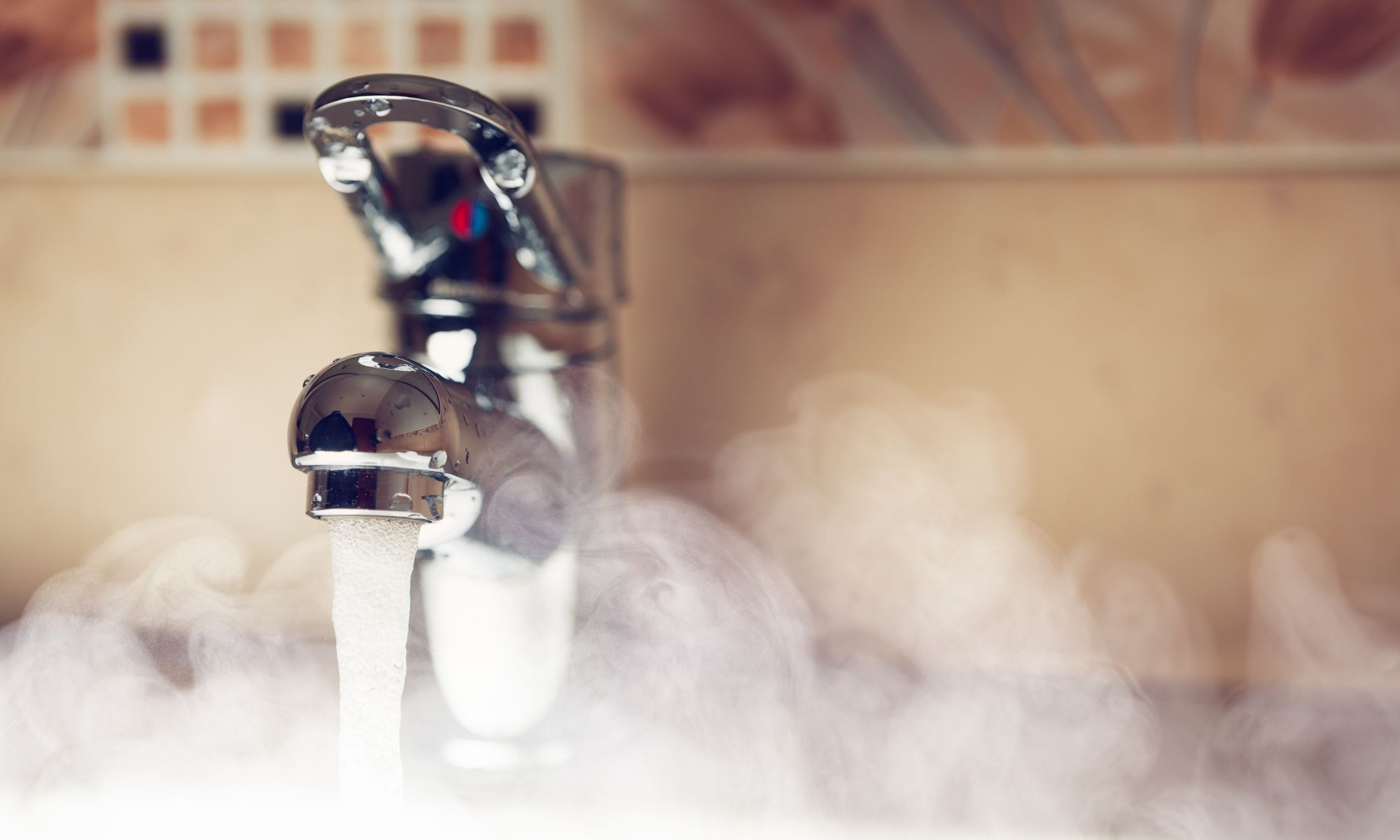
In large households, it is common for tank water heaters to run out of hot water in the morning. If you are tired of bracing for cold shower, consider installing an on-demand, tankless heater, which can provide endless hot water. These heaters also take up very little space, are energy efficient and are less expensive to replace than traditional tank heaters.
How it works:
In on-demand, tankless models, water is piped into a small, narrow device, usually 1’ x 2’, where it passes through a superheater, which almost instantly produces hot water. While the supply is endless, the amount available at any given moment will depend on the capacity of the device. Electric heaters vary in power from 6.5 kWh to 35 kWh. Heaters are also available to run on natural gas or propane.
Consumer Reports magazine published the results of their own in-depth study of on-demand water heaters in January 2019. For the study, they used a “heavy use” industry standard, which is the equivalent of a household taking several showers, running the dishwasher, washing one load of laundry, and turning the faucet on and off multiple times. That adds up to approximately 84 gallons of hot water per day.
The Consumer Reports researchers tested four electric and five gas whole-house tankless water heaters from such brands as Bosch, Navien, Noritz, Rheem, Rinnai, Tempra, and Trutankless to see how costs, performance, and energy use stack up against that of conventional storage tank water heaters.
They found that all the on-demand heaters met the target amount of 3 to 4 gallons (11 to 15 litres) of hot water per minute, which is impressive feat for such a small device.
Overall, the on-demand water heaters saved between $100 and $200 per year, depending on the prices of electricity, gas or propane across the country. While this cost savings may seem small, there are other considerations.
Pros and Cons
Consider these pros and cons of an on-demand, tankless water heater:
Pros:
- Space
On-demand heaters device are relatively small at approximately 1’ x 2’ and can be mounted on the wall. Tank water heaters vary in size from 30 to 60 gallons, but most hold 50 gallons (190 litres) and take up a space of at least 5’ high by 2’ wide—that’s a significant amount of space in smaller homes. Newer tank heaters are even larger due to extra insulation mandated to improve energy efficiency.
- Daily energy consumption
All day, all night and when homeowners are away on vacation, traditional tank heaters continue to maintain a massive amount of water hot, even when it is not required. This accounts for a vast amount of wasted energy. Conversely, on-demand heaters do not store hot water; they rapidly heat and release hot water only as it is needed.
- Cheaper replacement
Plumbers charge hundreds of dollars to haul away a massive old water tanks and pay the environmental dumping fees. On-demand heaters have warranties that range from 10 to 15 years and replacement is fairly simple.
Cons
- Maintenance
Both tank and tankless water heaters should be cleaned on a regular basis to remove the sediment that builds up from minerals in water. Sediment can impede water flow and cause the device to leak. Homeowners’ insurance may not cover the cost of a flood caused by a water heater unless the owner can provide maintenance records.
- Installation
The best time to buy is before your heater breaks down since tradespeople will charge more for rush jobs. If you have a tank that is nearing the end of its expected life, now is the time to check into on-demand options.
According to Consumer Reports magazine, switching to tankless from a storage tank water heater requires a plumbing retrofit and possibly an upgrade to your electric service or gas lines to increase capacity. Years ago, when tankless heaters were new, many plumbers were unfamiliar with the new technology, but today, consumers can choose from multiple, local companies to provide quotes and complete the installation.
- Choosing a device
There are so many tankless water heaters on the market, it may be difficult to decide on the best one. Ideally, consult a trusted plumber for his or her recommendations given your specific requirements.
Endless hot showers await!
Sign up to receive our latest news
Our promise: We will never sell or share your information.