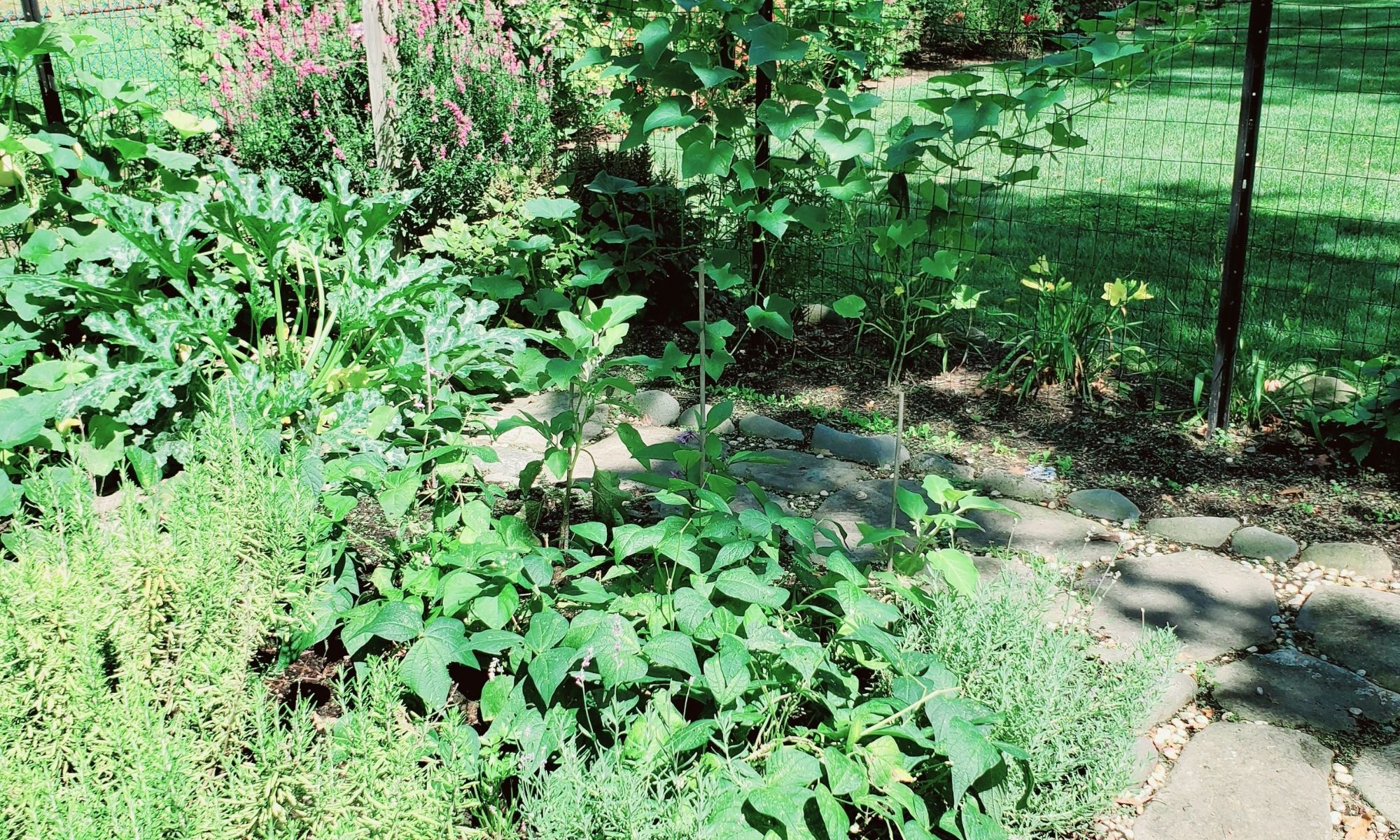
For millions of people during the World Wars, Victory gardens provided fresh, healthy produce in times of scarcity and freed up resources for the war effort. Backyards, flowerbeds and even city parks began pumping out potatoes, peas, cabbage and other vegetables and fruits.
With the emergence and global spread of the COVID-19 virus, we are fighting a different type of war, but with a similar sense of scarcity. The first thing that worried shoppers did was to stock up on dry, frozen and canned foods. Although initially authorities assured people that supply chains were fine, by April 2020, some media began to report problems with receiving products from the U.S. and prices were forecast to increase.
Growing your own food is a positive, patriotic contribution during this health crisis. Even a small garden plot or patio planter can yield a surprisingly large harvest. For example, just one-quarter of a potato with a healthy ‘eye’ can produce a plant that yields eight potatoes—that’s 32 times the initial ‘investment’ in just four months—try to beat that Wall Street!
Let’s get growing:
Soil Health & Fertilizer
Healthy soil is a good start. Compost is one of the best additions because it feeds plants as well as vital soil microbes. Compost is available from garden supply stores and municipalities that collect grass clippings and other household yard material. Worm castings, aged manure, bone meal and seaweed extracts also boost plant growth. At the end of the season, spread finished plants on top of the garden to maintain moisture and protect soil microbes over the winter.
Seedlings and Seeds
If you started late, buying young plants can kick start your garden, otherwise, seeds are much more economical. Choose open pollinating seeds, which can be collected for the following year saving you money and protecting diversity.
Did you know that there are more than 3,000 different types of heritage tomatoes in production around the world? Search online for “open pollinating seeds” or “heirloom seeds” and you will find interesting, flavourful varieties of countless fruits and vegetables. Many of these plants are at risk of extinction because farmers and gardeners more often grow a small number of hybrid seeds.
Sunlight
Sunlight is a key growth ingredient for plants. That is why most heavy-producers such as tomatoes, potatoes, corn and squash need a sunny location. If your garden patch is fairly shaded, try planting lettuces, spinach, kale, broccoli, chard and garlic.
Water
A drip line/soaker hose in the soil saves effort and reduces disease because the leaves of the plants remain dry.
Raised Beds
People with back or knee problems often find it difficult to do standard gardening. Raised beds are easier to access and the elevated sides of the beds receive sunlight, which heats up the soil (something helpful for earlier spring planting).
Succession Gardens
The warm months are too precious to squander on a single harvest. A succession garden provides a steady supply of food from spring to autumn. For example, you can plant spinach and lettuces very early in the spring then, as the plants start to become bitter by early June, you can swap out the greens for tomato seedlings and when those plants have petered out in August, plant kale or garlic to overwinter in anticipation of a harvest next spring.
Perennials
Reliable perennials include onions, garlic, chives, kale, rhubarb, raspberry, strawberry, blueberry and all sorts of fruit trees. They are very cost-effective because they will produce food for years—usually 2 - 25 years depending on the type.
Preserving
After carefully selecting, planting, weeding and watering, you want to enjoy the bounty instead of having them shrivel up or turn moldy.
Freezing produce: The best foods to freeze are shelled peas, sliced carrots, chunks of squash, berries, pitted cherries and husked corn. In general, set prepared produce in a single layer on a cookie sheet to freeze solid, then put into an airtight container and refreeze.
Canning produce: Sweet canned peaches and homemade strawberry jam are tastes of summertime all year round. Canning ensures you have high quality, low-cost food at your fingertips. For each type of produce you plan to preserve, follow expert guidelines regarding safe techniques and sterilizing equipment. A pressure canner is the safest way to preserve food, especially non-acidic vegetables, because the pressure raises the temperature of food in the jars above the boiling point of water.
Dehydrating produce: Dehydrators are available as small tabletop appliances that use fans and very low heat to dry food. Herbs and fruit are good choices for a dehydrator.
No matter the scale of your Victory garden, your efforts are a positive contribution!
Sign up to receive our latest news
Our promise: We will never sell or share your information.