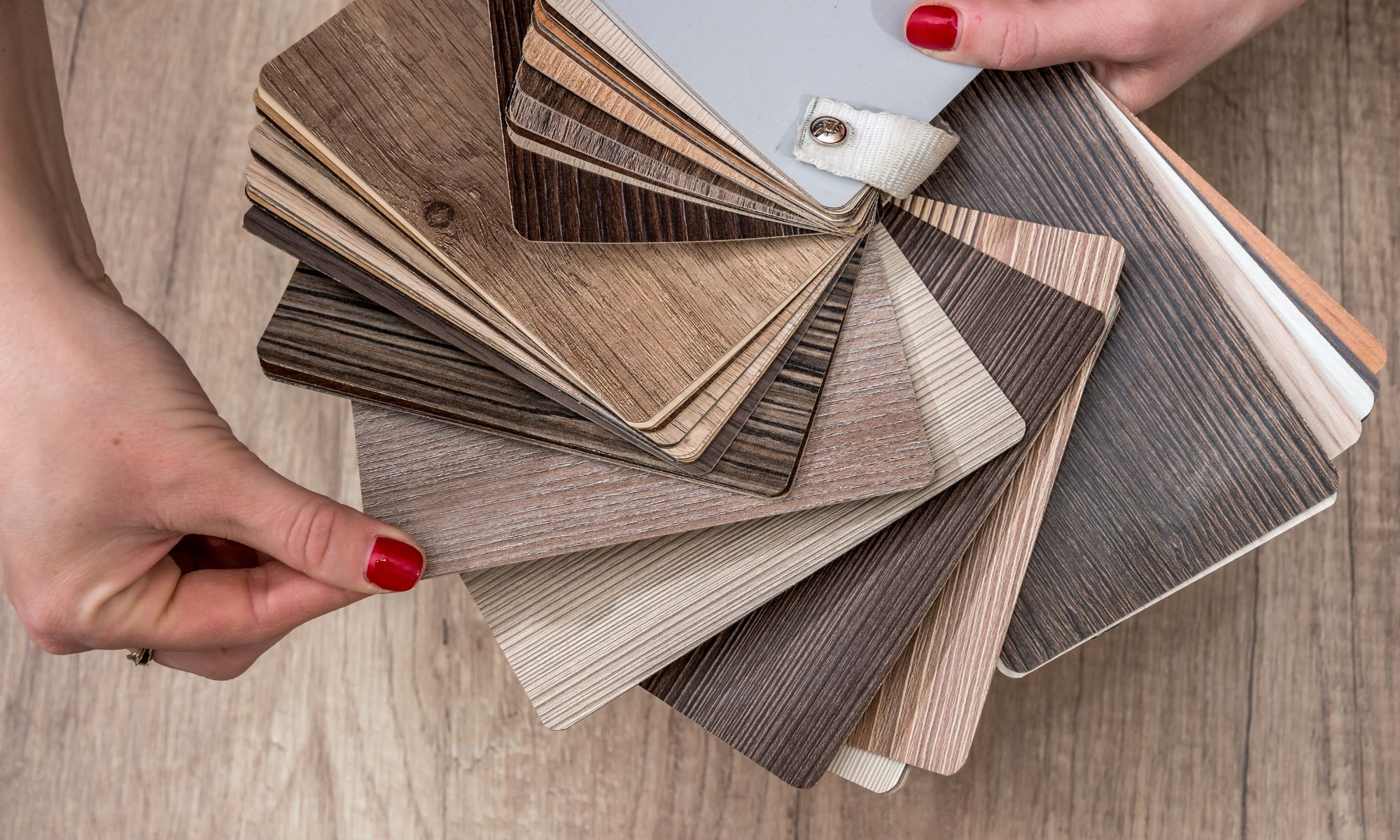
Do you love the look of wood flooring, but not the price tag? Do you need a product that can withstand moisture in the kitchen, bathroom and basement without warping and splitting? Vinyl may be a good option, taking into consideration these important pros and cons.
Pro: Ease of installation
Vinyl flooring comes in three main styles: flexible sheets, flexible tiles and rigid tiles. The flexible products are usually soft enough to trim with a utility knife whereas the tiles require a saw. Another perk is that some vinyl flooring comes with a self-adhesive backing; you simply peel off the wrapper and press the tiles into place on a prepared subfloor. Vinyl is linoleum’s trendy cousin.
Cons:
Given the nature of flexible flooring, it can reveal the imperfections of the subfloor. Always ensure that you begin with a smooth, level surface that is free of dirt and debris.
The flipside of easy installation is difficult removal; be prepared to invest significant effort to scrape up old vinyl flooring. Power scraping machines are available to rent; however, use care to avoid damaging the subfloor. Note: if you are removing very old vinyl or linoleum, have it tested for asbestos. This mineral was used in synthetic flooring into the 1980s and is a known carcinogen.
Pro: Style
As a synthetic product, manufacturers can do a reasonably good job of making vinyl resemble the finest woods (or expensive tiles). Using high-tech dyes and sealers, they are able to infuse vinyl with realistic imagery.
Cons:
Over time and with heavy traffic, the imagery can wear away allowing the backing to show through. Look for “inlaid vinyl” which has multiple layers of the same design fused together. This helps the product maintain its appearance, even if the top layers wear away. Rigid tiles tend to maintain their finish better than flexible products.
Pro: Cushioned surface
Vinyl flooring varies in thickness from approximately 2mm to 8mm. The thicker the product, the greater the cushioning and stability it will offer for high traffic areas.
Cons:
Because it is fairly soft, vinyl flooring is prone to damage, particularly from heavy furniture, shoes and dropped items.
Pro: Water resistance
When water soaks into wood, the fibers swell causing warps and cracks. For homeowners who want the look of wood without the water worries, especially in a basement or bathroom, vinyl and tile are two of the best water-resistant options.
Cons:
Some consumers have discovered mold growing beneath their vinyl flooring, perhaps because it is impermeable and seals in moisture that may rise from subfloors. When installing vinyl or any product near ground level, be sure to use a proper moisture barrier.
Even more importantly, the water-resistant PVC (synthetic polymer) backing on some vinyl flooring may contain hazardous chemicals. According to a 2015 report from Ecology Centre (ecocentre.org), 58% of vinyl flooring tiles they tested contained phthalate plasticizers. According to this non-profit organization, phthalate plasticizers are linked to asthma, birth defects, learning disabilities, reproductive and immune system problems, liver toxicity and cancer. For these reasons, many phthalates have been banned in children’s products for more than a decade in the U.S.
Consumers searching for a safer alternative to vinyl should research which products are free of phthalate plasticizers and other toxins, or consider more health-friendly products such as natural rubber, bio-based linoleum and ceramic tile.
Pro: Durability and Ease of Cleaning
Vinyl is undoubtedly one of the easiest floors to keep clean. By comparison, carpet fibers are a haven for dirt, pet dander, pollen, etc. Real wood floors can warp or crack with repeated wet mop cleaning. Vinyl comes clean by vacuuming with a soft brush attachment then washing with a splash of white vinegar and a couple drops of dish detergent in a bucket of warm water.
Con:
Vinyl can be damaged by abrasive cleansers and scouring pads, strong detergents, waxes, solvents and ammonia to name a few.
Pros: Affordability
Vinyl flooring generally costs between $2 and $6 per square foot (not including installation fees). For comparison, solid hardwood ranges from $5 to $15 per square foot and engineered hardwood is usually $4 to $10 per square foot.
Installation costs will depend on how much homeowners are willing to do themselves. Flexible flooring that can be cut with a utility knife greatly simplifies the installation process.
Weighing all these pros and cons can help you choose healthy, affordable flooring that will be durable for many years.
Sign up to receive our latest news
Our promise: We will never sell or share your information.